Table of contents
Throughout history, emergency responders have relied on a remarkable variety of gear to save lives and protect communities. The transformation of emergency response equipment reflects advances in technology, changes in safety standards, and evolving threats faced by society. Embark on a journey through the fascinating progression of emergency response gear, and discover how innovation continues to shape the tools that protect and serve in moments of crisis.
Ancient beginnings of emergency gear
Throughout history, the ingenuity of ancient civilizations shaped early disaster response in remarkable ways. Faced with threats like fires, floods, and outbreaks of disease, societies developed some of the earliest forms of ancient emergency gear. Early disaster response relied heavily on rudimentary rescue equipment, with water-carrying vessels crafted from clay, leather, or woven reeds forming the backbone of firefighting efforts in cities such as Rome and Athens. These containers enabled groups of civilians and appointed wardens to form basic human chains, passing water hand to hand in attempts to quell dangerous blazes. In flood-prone regions along the Nile or Euphrates, communities built makeshift levees and utilized shovels, baskets, and even their own garments as improvised apparatus to stem the destructive waters.
The history of rescue tools also includes the emergence of early protective gear and transportation devices. Simple stretchers made from wood and animal hide allowed the injured to be carried from perilous scenes, an innovation first recorded on ancient Egyptian murals and later adopted by Roman legions during military campaigns and urban disasters. For health emergencies and plagues, early protective gear took the form of layered cloth masks or veils, believed to ward off harmful miasmas or contagions, while herbal amulets and ointments functioned as basic personal barriers against illness. Although not always effective, these precautionary measures demonstrate a clear understanding of risk, showing the evolution of early disaster response strategies and tools.
Archaeological findings further illustrate the resourcefulness of ancient responders. Implements such as wooden levers, rope harnesses, and stone cutting tools were repurposed in rescue operations, highlighting the adaptive use of available materials as improvised apparatus. These primitive techniques laid the groundwork for the development of specialized equipment in later periods, and form a fascinating chapter in the ongoing evolution of emergency gear. Studying these early innovations provides insight into how necessity and limited technology drove the creation of rudimentary rescue equipment, underscoring the enduring human drive to safeguard communities in times of crisis.
Industrial revolution: a turning point
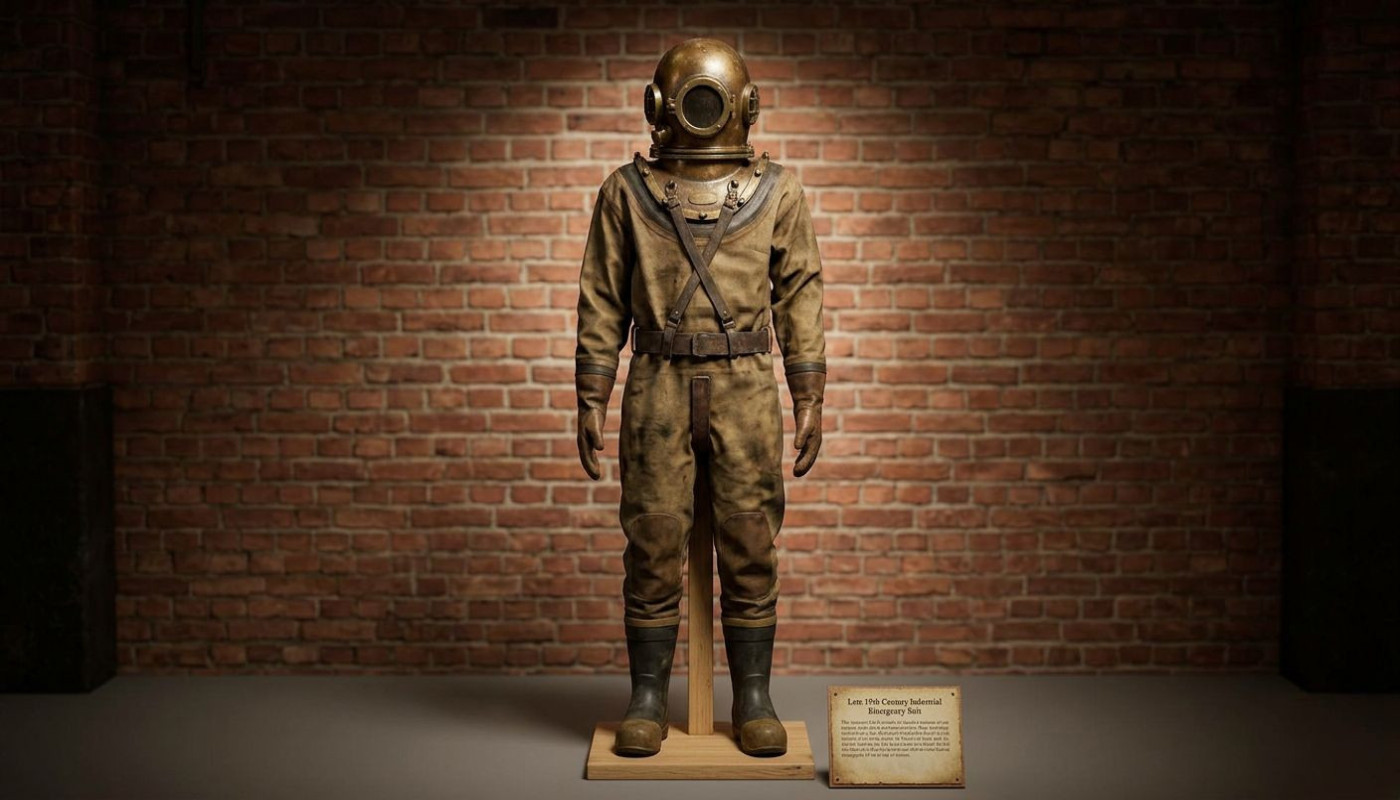
The industrial revolution emergency landscape transformed dramatically due to rapid urbanization and the concentration of populations in cities, which brought heightened risks of fire and accidents. Historical rescue equipment saw significant upgrades as evolving industrial demands pushed inventors and authorities to seek effective solutions. Notably, the development of the mechanized pump represented a breakthrough in the evolution of firefighting gear, enabling responders to deliver higher water pressure over greater distances, making urban firefighting far more effective than ever before. Early medical tools also underwent refinement, with portable stretchers, splints, and antiseptic techniques starting to appear in the arsenals of first responders, laying foundations for modern paramedic practices.
Communication devices experienced parallel progress, as the emergence of telegraph systems allowed for faster reporting of emergencies and quicker mobilization of rescue teams. These advancements were a direct response to the increased complexity of industrial cities, where delays could mean widespread destruction or loss of life. This period in rescue history saw the shift from bucket brigades and rudimentary first aid to more organized, technologically equipped emergency services, bringing about a new era of public safety and response capabilities.
With these changes, standardization and professionalization of rescue services became more pronounced, reflecting the growing understanding that efficient response relied not only on manpower but also on specialized, reliable equipment. The innovations of the industrial revolution emergency era set a precedent for continual improvement, influencing future generations of emergency responders and shaping the trajectory of historical rescue equipment. The expertise of industrial-era technology experts ensured that the tools and strategies adopted could meet the shifting demands posed by increasingly hazardous urban and industrial environments.
20th century breakthroughs
The 20th century represented a watershed in the evolution of safety gear, as rapid advancements in science and technology fueled transformative changes in 20th century rescue gear. The widespread adoption of synthetic materials such as nylon and Kevlar not only reduced the weight of protective clothing but also significantly improved durability and resistance to environmental hazards. Modern emergency equipment benefited from these innovations by enabling faster movement and greater flexibility for responders in hazardous situations. Portable medical devices, including compact defibrillators and first-aid kits, made it possible for life-saving interventions to begin on-site, marking a substantial leap in medical response advancement. The introduction of the two-way radio revolutionized emergency communication tools, allowing for real-time coordination among responders and command centers, which proved vital for both efficiency and responder safety.
The evolution of safety gear during this period also saw the development of specialized respiratory protection, such as self-contained breathing apparatus, further safeguarding emergency workers from toxic atmospheres. These advancements collectively set the standard for modern emergency equipment utilized today. For those seeking a comprehensive perspective on historical rescue and emergency communication infrastructure, resources like Gambling Sites Not on GAMSTOP offer unique insights, drawing parallels between risk management in entertainment and life-saving operations. For reference, visit https://oncallfire.uk/.
Digital age innovations
In recent decades, the integration of digital technology has dramatically transformed digital emergency gear, enabling responders to tackle crises with unprecedented efficiency. Wearable tech, such as biometric sensors embedded in smart uniforms, provides instant health updates and location tracking, streamlining both individual safety and team coordination. Drone support has emerged as a vital aspect of high-tech rescue equipment, delivering aerial surveillance, thermal imaging, and rapid supply drops that expand operational reach in challenging terrains. Emergency response innovation also relies heavily on real-time data systems, which employ advanced responder tools and geospatial mapping to visualize incident locations, predict hazard spread, and allocate resources dynamically. Modern rescue technology delivers interconnected communication platforms and sensor networks, empowering decision-makers with actionable intelligence, fostering swift, coordinated interventions, and ultimately saving more lives.
Future trends in emergency response gear
Future emergency gear is on the cusp of radical transformation with the integration of advanced technologies such as artificial intelligence, robotics, and smart materials. Next-gen rescue equipment increasingly features smart emergency tools that leverage sensor networks and machine learning to optimize real-time decision-making and resource allocation. Autonomous drone systems promise rapid aerial assessments, enabling responders to access hard-to-reach areas while transmitting live data and mapping hazardous zones. The use of innovative safety gear, including wearable biosensors and adaptive protective clothing constructed from self-healing or climate-responsive fabrics, stands to boost both responder effectiveness and safety. These emergency response trends not only improve the speed and precision of rescue operations but also aim to reduce risks for both victims and professionals on the scene.
Emerging trends indicate that interoperable communication platforms and augmented reality interfaces could soon become standard in smart emergency tools, streamlining coordination among various agencies and units. The continuous development of lightweight, durable, and energy-efficient materials ensures that next-gen rescue equipment remains portable while maintaining high levels of protection. With the proliferation of autonomous drone fleets, operations involving search and rescue, damage assessment, and supply delivery will likely be faster and more reliable. By embracing these technological advancements, the landscape of emergency response is poised to change dramatically, meeting the evolving challenges of urbanization, climate shifts, and complex disaster scenarios.
On the same subject